If you read nothing else
- The Jökulsárlón amphibian boat tour lasts 30 to 40 minutes, so it fits easily into a stop between Skaftafell and the south coast villages.[1]
- Skaftafell is about 327 km (203 miles) from Reykjavík, a drive of approximately 4.5 hours, and the lagoon is another 35.4 miles (57 km) east, about 50 minutes.[2][3]
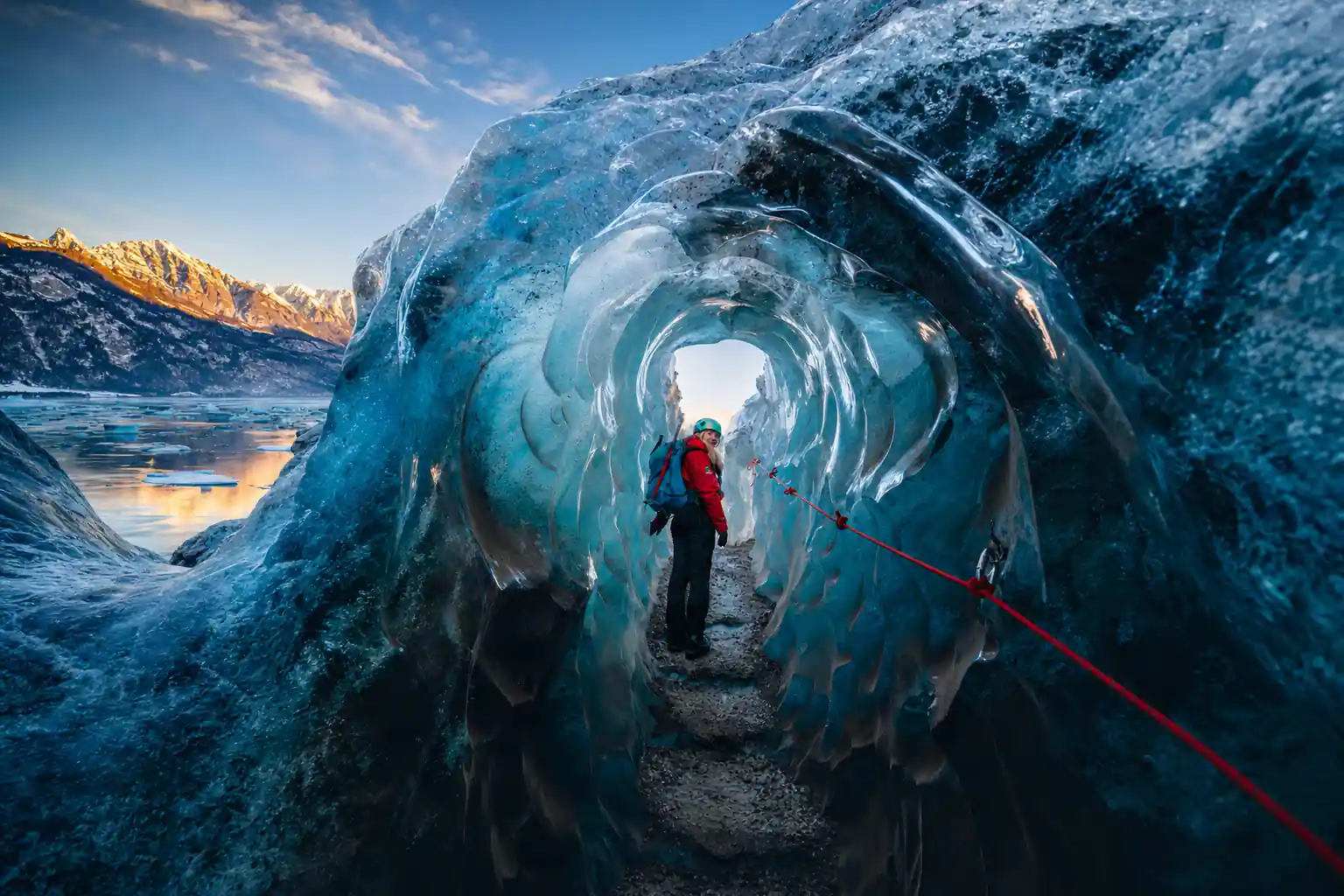
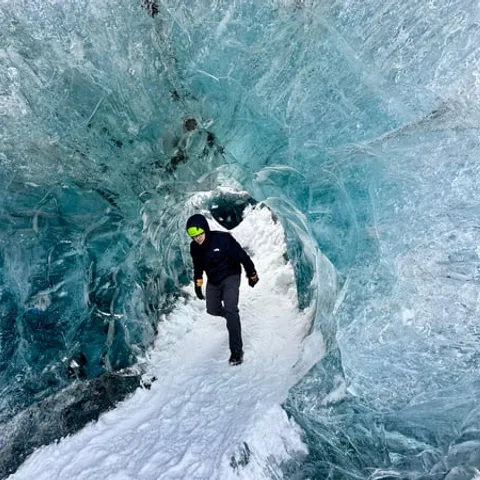
- Ice caves in Vatnajökull are only accessible during winter months, from November and usually throughout March, depending on the weather.[4]
- The Skaftafell: Blue Ice Cave & Glacier Hike on Vatnajökull runs 4 hours, is limited to 12 participants and starts from US$167.[5]
- The Skaftafell parking fee is 1,110 ISK for a passenger car of 5 or fewer seats, and Skaftafellsstofa opens 9-19 in June to August.[6][7]
- Top choice Skaftafell Blue Ice Cave from US$167 Ratingrated 4.62 from 848 reviews[5]Duration4 hours[5]What it isGlacier hike and blue ice caveCancellationCancel up to 24 hours ahead[5] Check availability
- Blue Ice Glacier Hike from US$106 Ratingrated 4.71 from 1,357 reviews[8]Duration4 hours[8]What it isBlue ice glacier hikeCancellationCancel up to 24 hours ahead[8] See this tour
- Jökulsárlón Ice Cave Tour from US$164 Ratingrated 4.25 from 2,171 reviews[9]Duration3 hours[9]What it isIce cave tour by jeepCancellationCancel up to 24 hours ahead[9] See this tour
The excursion takes 30 - 40 minutes and includes an English-speaking guide who explains to you the geology and facts of the lagoon.
Should you add the lagoon boat trip to your Iceland plan?
Prepare for the day
Why the glacier lagoon is worth the drive
Jökulsárlón sits at the edge of Breiðamerkurjökull, one of the big outlet glaciers of the Vatnajökull ice cap, and the icebergs floating in it are pieces of that ice which have broken away and drifted down towards the sea. They run from chalk white to a deep, dense blue, because ice squeezed under great pressure loses the air bubbles that normally scatter light. Seals sometimes haul out on the smaller floes in the channel, and across the road the same ice washes up on the black sand at Diamond Beach. The channel to the sea is short, and the tide and the swell do the rest, dragging the smaller pieces out and rolling the bigger ones until a fresh face of ice turns to the light.
The scale is hard to take in from the car park. Vatnajökull has a surface area of approximately 8,100 square kilometers (3,127 square miles) and is the largest glacier in both Iceland and Europe.[10] It feeds many outlet glaciers, and since the year 2000 Icelandic outlet glaciers have retreated exceptionally fast, with mass loss among the highest recorded in the world.[11] The lagoon is a good place to stand still and watch, whatever the season throws at you. Stand at the water's edge long enough and you hear the whole thing working: the crack and groan of ice shifting, the hiss of bergs grinding together, and the slap of water against the blocks.
What the Jökulsárlón boat tour is like
The amphibian boat tour on the lagoon lasts 30 to 40 minutes.[1] You board at the water's edge and head out between the bergs, sitting low enough that the ice feels very close and the water looks black and brutally cold. The colours shift with the light and the angle, and on a grey day the blue inside a turned block of ice can still be startling. Keep a camera in a dry bag, hold on when the boat turns, and leave both hands free for the handrail while you step aboard.
There is no need to choose between the boat and the shore. The path along the lagoon edge and the short walk over to Diamond Beach take very little time, so both fit into a single stop. The lagoon lies on the south coast between Skaftafell and Höfn, which makes it a welcome break in a long driving day rather than a place to build a whole day around. A short walk along the shore also gives you a quieter view of the ice than the main car park, with the bergs close enough to hear them knock together.
Icebergs drift past the black sand at Diamond Beach, just across the road from the lagoon.
Getting to the lagoon from Skaftafell and Reykjavík
Skaftafell is about 327 km (203 miles) from Reykjavík by car via Route 1, a drive that takes approximately 4.5 hours.[2] From there the lagoon is close: the direct drive from Skaftafell to Jökulsárlón is 35.4 miles (57 km) and takes about 50 minutes in normal traffic.[3] Basing yourself around Skaftafell and treating the lagoon as a run east works well, especially if you have an ice cave or glacier tour booked for the same day.
Parking at Skaftafell is subject to a regional fee, and a passenger car with 5 or fewer seats is charged 1,110 ISK.[6] Skaftafellsstofa, the visitor centre for the area, opens 10-17 in January and February, 9-17 from March to May, 9-19 in June to August, 9-18 in September and October, 9-17 in November, and 10-17 in December.[7] Fill the tank and pick up food before the last stretch of the Ring Road; services between the main villages are thin. The villages out here are small, the distances between them are long, and the country in between is open and exposed to whatever the weather is doing.
Glacier hikes and ice caves to pair with the boat
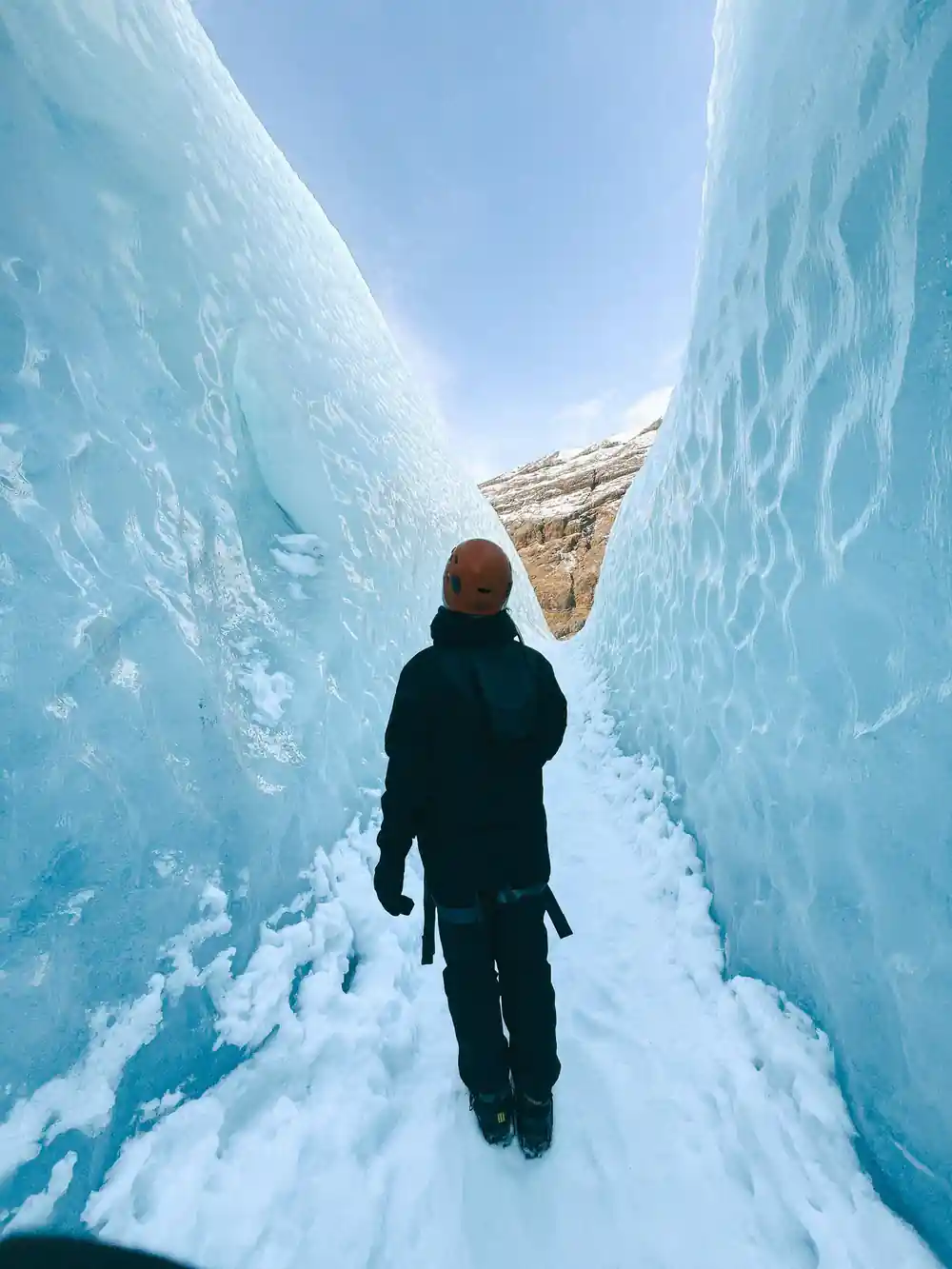
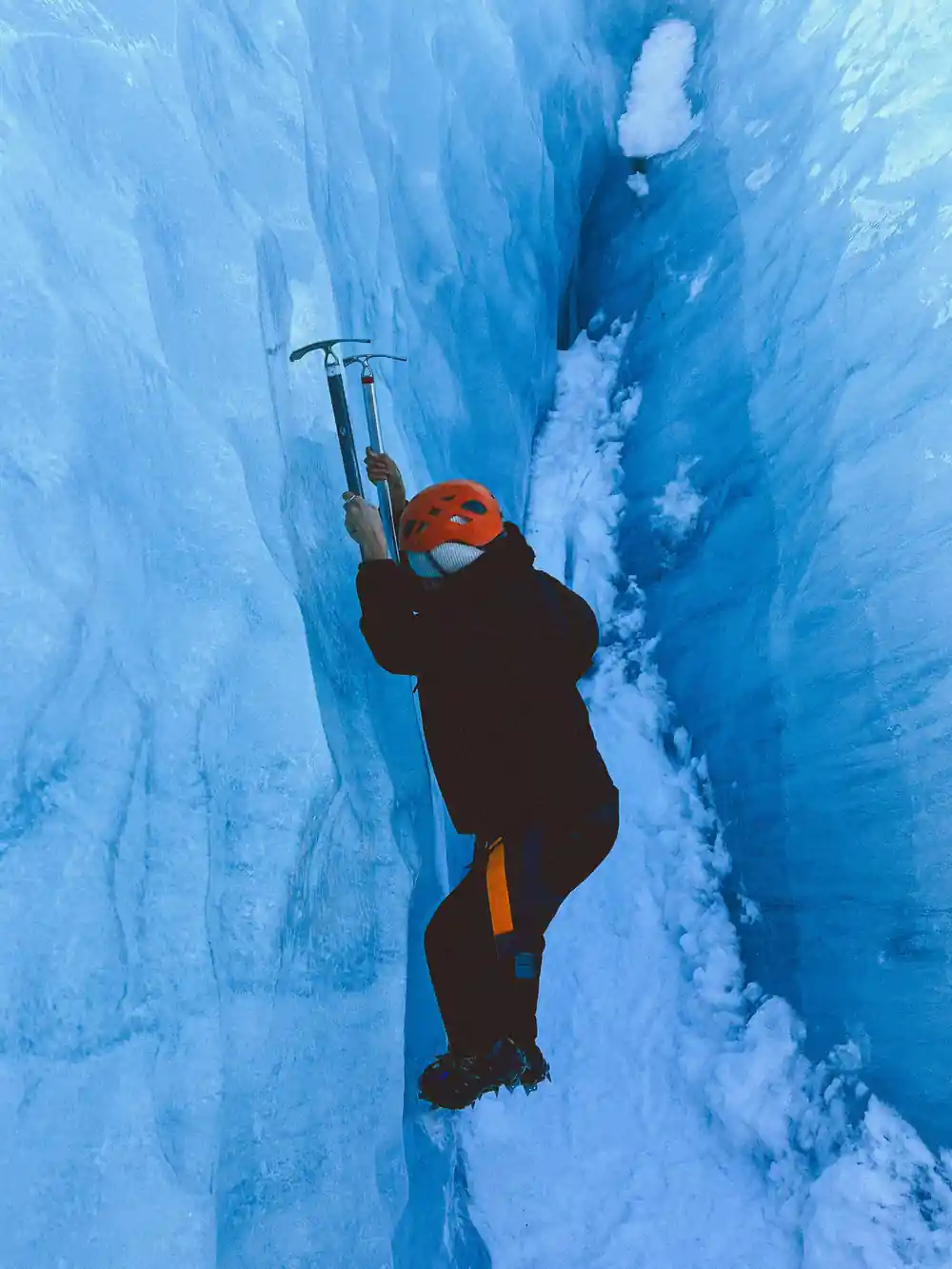
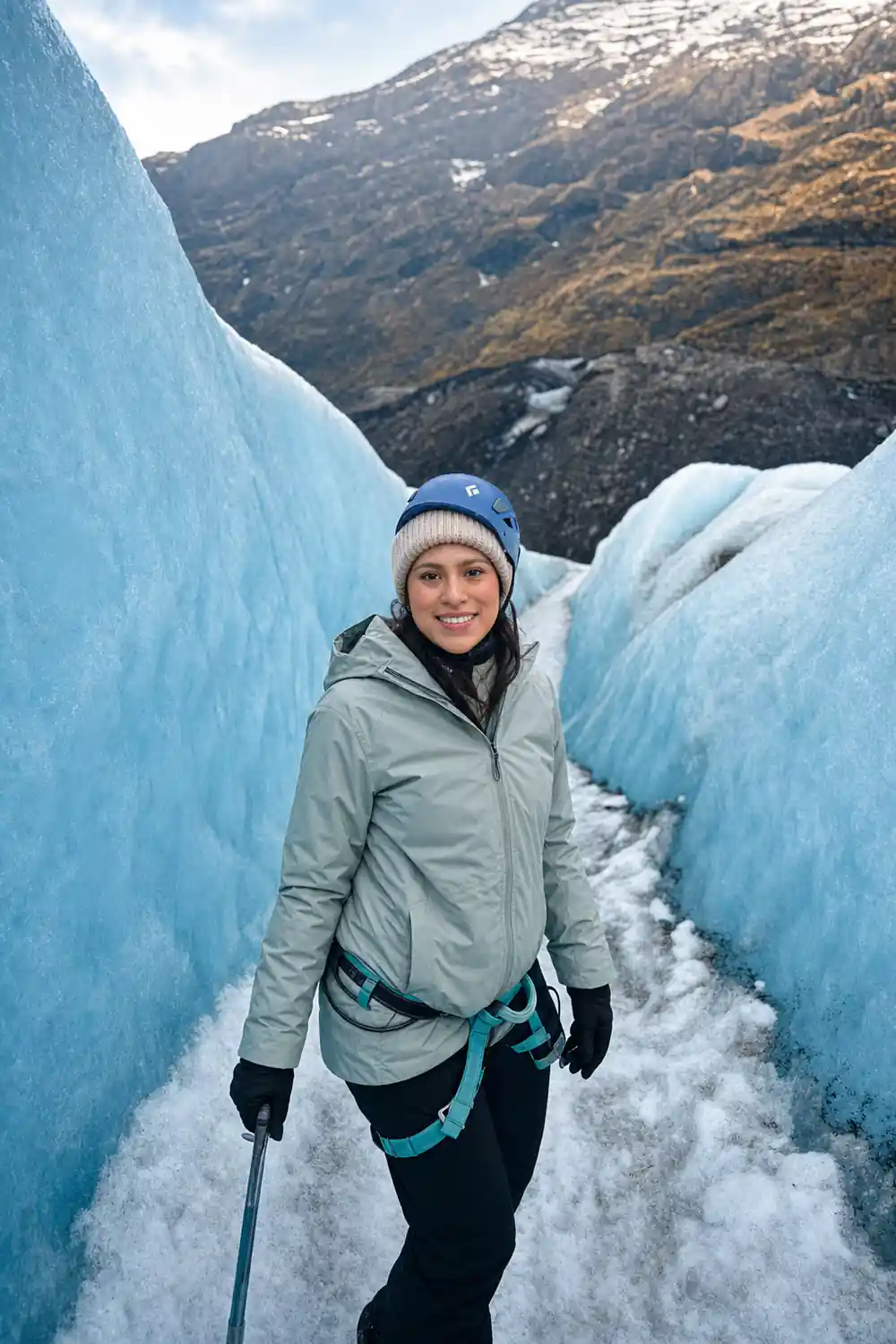
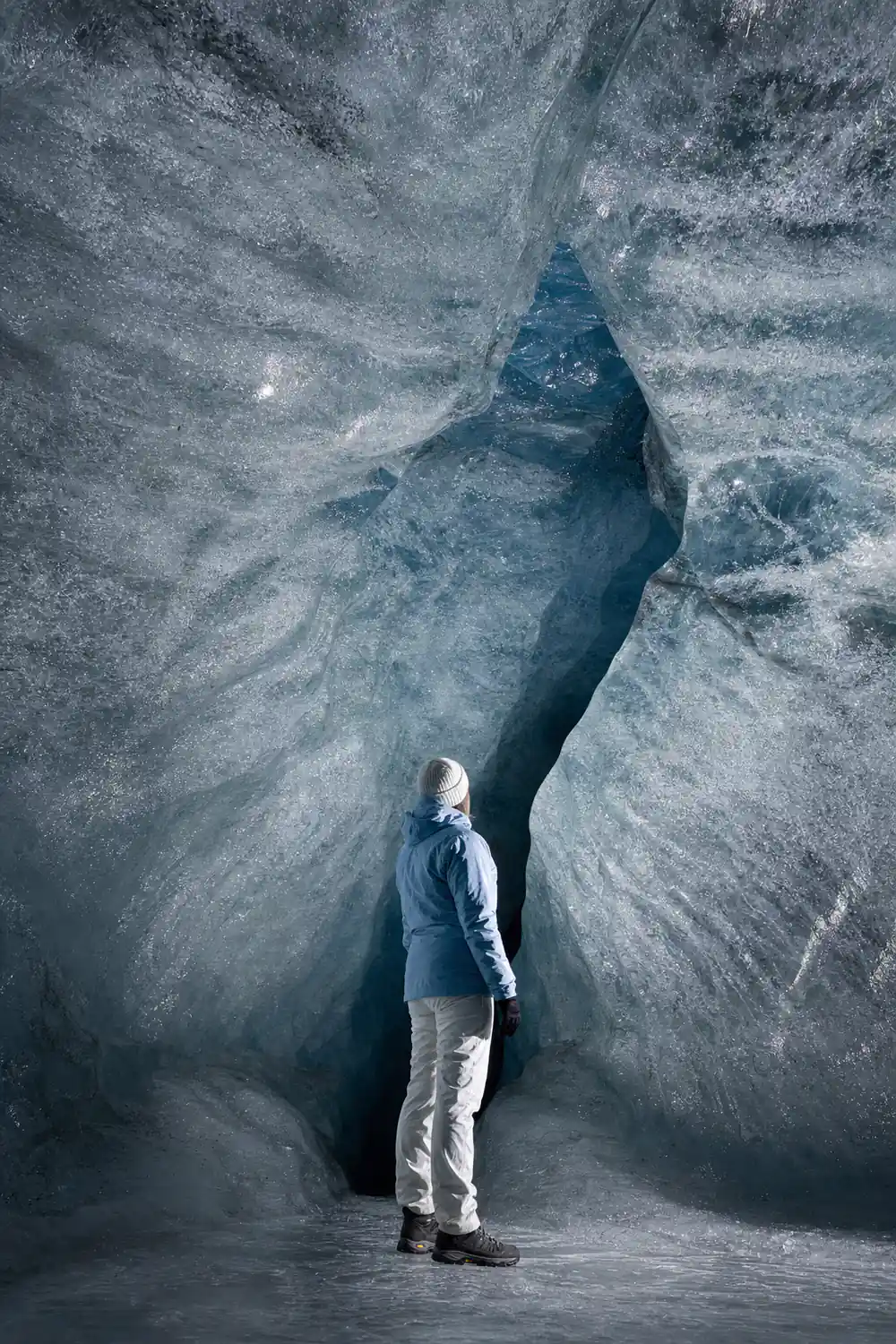
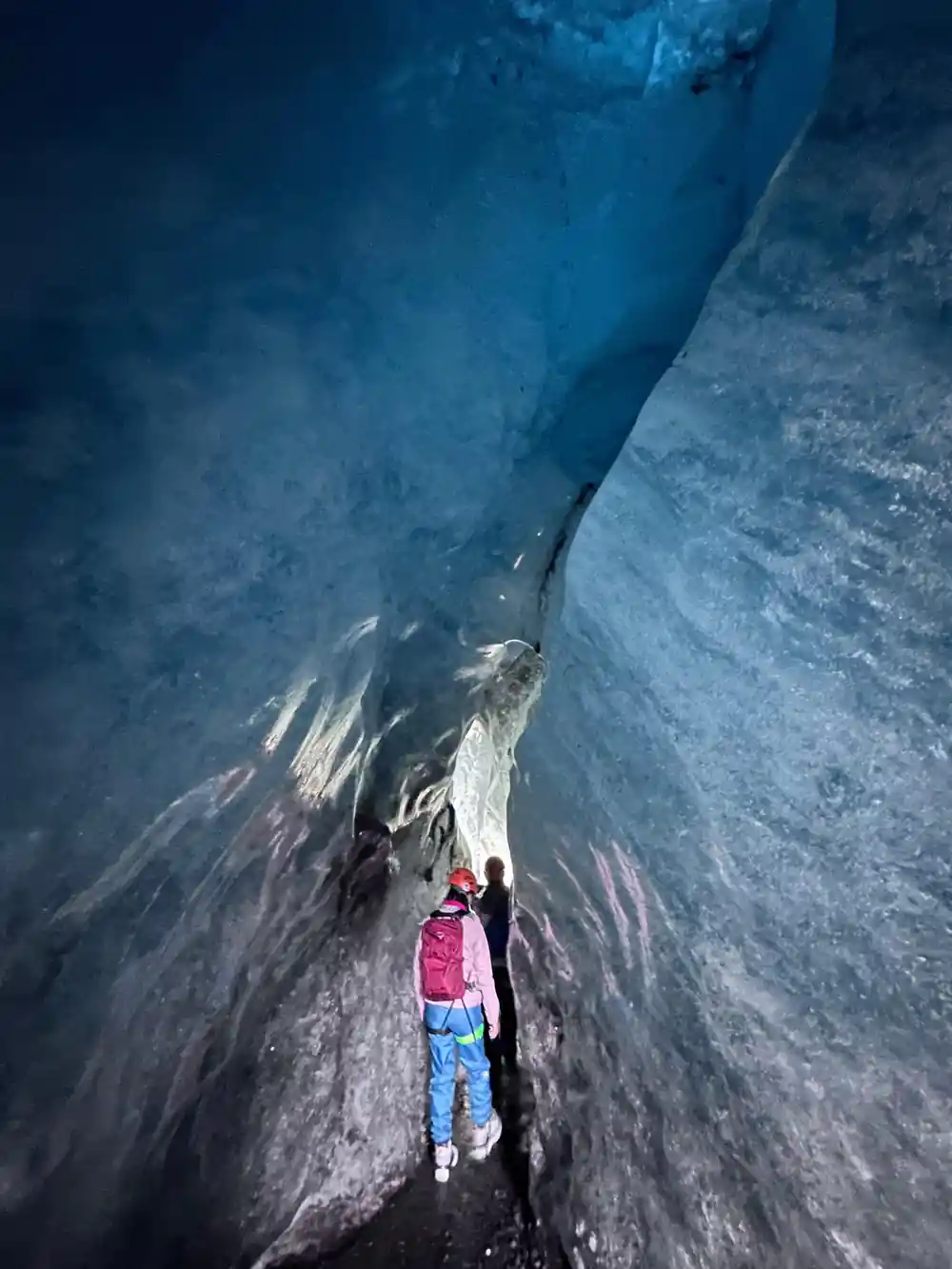
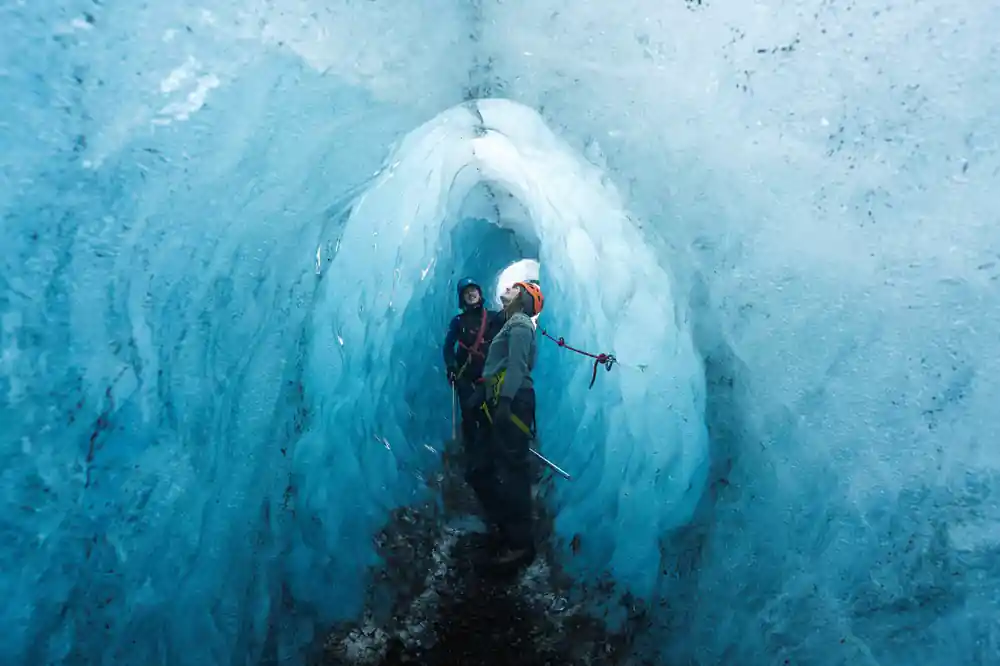
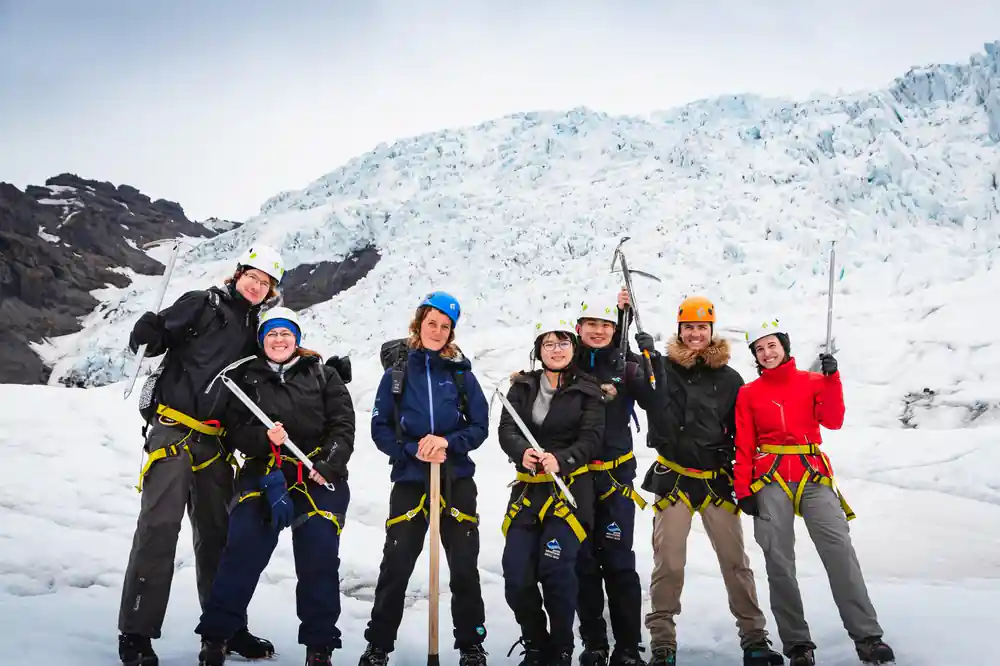
The Skaftafell: Blue Ice Cave & Glacier Hike on Vatnajökull, the tour booked from this site, runs 4 hours and is limited to 12 participants, with prices from US$167.[5] It has a live tour guide in English and holds a 4.62 rating from 848 reviews.[5] Its route runs by bus or coach to Vatnajökull and Falljökull and back.[5] You can reserve now and pay later, and cancel up to 24 hours in advance for a full refund.[5]
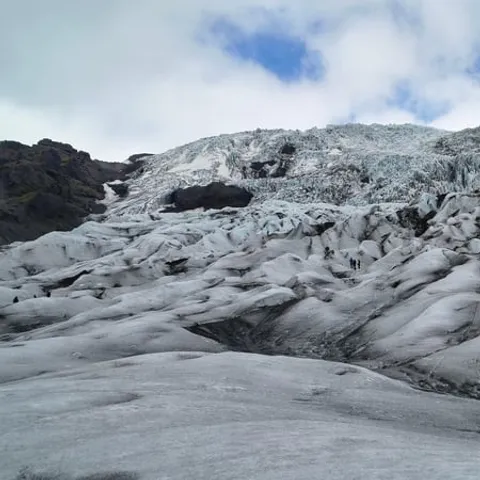
If you would rather stay above ground, the Blue Ice Glacier Hike on Vatnajökull takes 4 hours and starts from US$106, with a 4.71 rating from 1,357 reviews.[8] Falljökull, the glacier most Skaftafell hikes reach, is a striking outlet glacier of the vast Vatnajökull ice cap.[12] There are longer days too, such as a 6-hour hike to a remote ice cave from US$285.[13]
from US$167
The Skaftafell ice cave and glacier hike on Vatnajökull runs 4 hours, is limited to 12 participants and rates 4.62 from 848 reviews.[5]
When to come for ice caves and lagoon boats
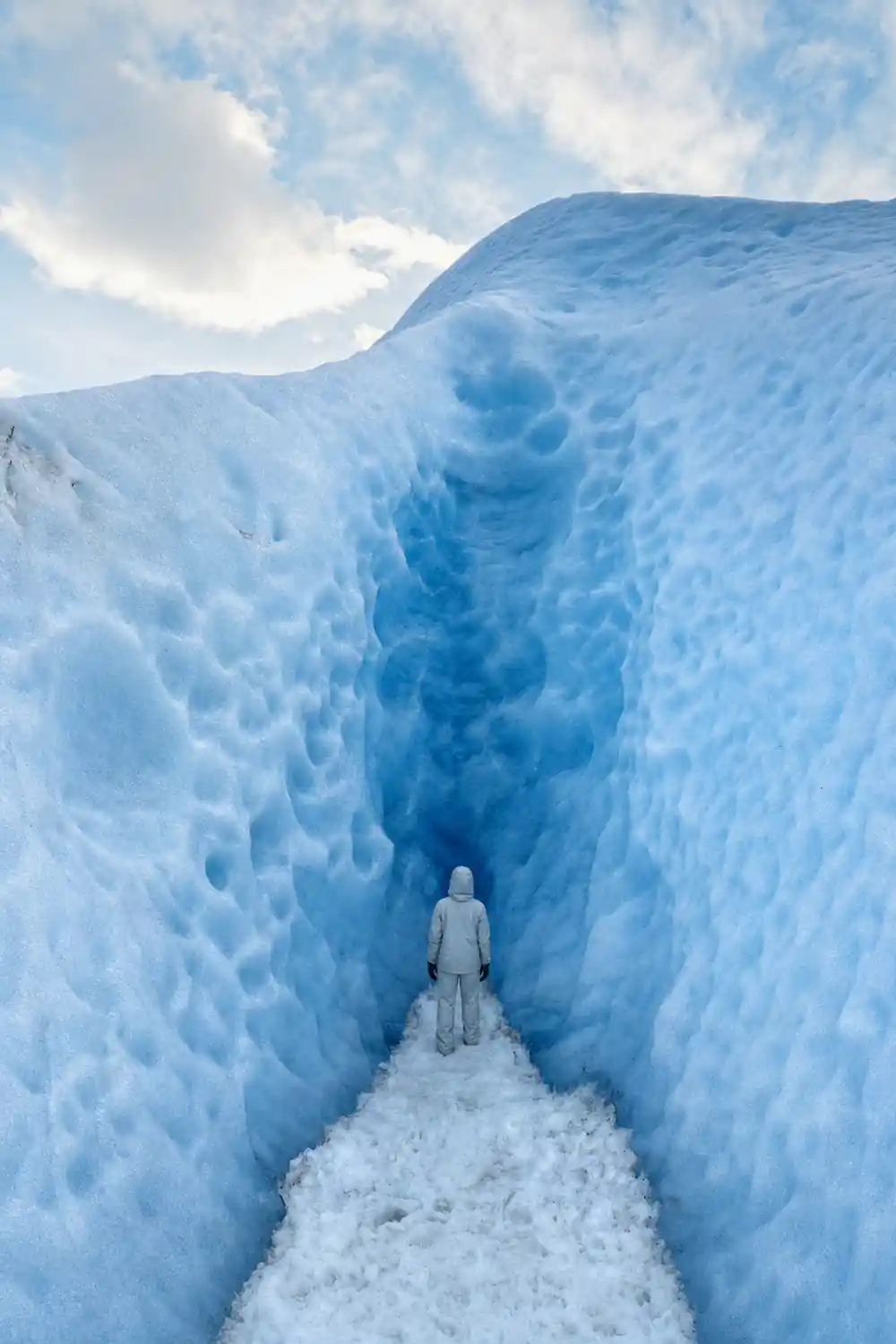
Ice caves under the glacier are a winter feature. The ice caves in Vatnajökull are only accessible during winter months, from November and usually throughout March, depending on the weather.[4] The lagoon itself is there all year, and the south coast light swings from long summer evenings to short winter days.
Visitor centre hours follow the same rhythm: Skaftafellsstofa is open 9-19 in June to August, 9-18 in September and October, and 10-17 in December.[7] In deep winter it pays to plan the driving around the daylight you have, and to leave room in the schedule for the stretch east of Vík, where conditions can change quickly.
Travelling outside the winter window does not rule out ice altogether. The Katla Ice Cave is a natural ice cave in the Mýrdalsjökull Glacier, formed by the volcanic glacier that sits above the Katla volcano, and it is one of the few ice caves in Iceland that can be visited year-round.[14] It is a different glacier and a different drive, but it keeps an ice cave within reach on a summer trip.
Vatnajökull: the numbers behind the scenery
Vatnajökull National Park was inscribed on UNESCO's list of World Heritage Sites on 5 July 2019.[15] The three most famous subglacial volcanoes under the glacier are Grímsvötn, Öraefajökull and Bardarbunga.[16] In places the ground you are walking across is ice sitting over fire, and the glacier has shaped everything around it, from the black sand plains to the lagoon itself.
The ice cap averages about 380 metres thick, though in places it is almost a kilometre deep.[17] Above it, Hvannadalshnúkur reaches 2110 meters, or 6900 feet.[18] From the lagoon car park, with bergs the size of houses drifting past, those figures start to feel real. From the shore the ice looks like a solid white plain, while the ridges, the crevasse lines and the dark bands of ash that run through it show how many layers have built up over the bedrock below.
Where to stay and what to pack
Fosshotel Glacier Lagoon is a four-star superior hotel located a stone's throw from Skaftafell.[19] Elsewhere along this stretch of the Ring Road the choices are mostly small guesthouses, farm stays and campsites, so it is worth booking early if you are travelling in the ice cave season. Staying close to Skaftafell makes an early start easier and puts the lagoon within reach for a late-afternoon visit in softer light.
Minimum ages vary by tour. Mountain Guides classes its Glacier Discovery on Sólheimajökull and its Blue Ice Experience on Skaftafell as easy glacier hikes with a minimum age requirement of 8 years old, and notes that more difficult glacier walks may have a higher minimum age.[20] Check the age rules on the specific listing you book before you commit.
Pack for wet and cold rather than for the photographs. Waterproof outer layers, gloves, a hat, sunglasses and sturdy boots cover most days, and a thin base layer you can take off matters more than a heavy jacket once you are walking uphill on the ice. Phones and cameras survive better in a dry bag than in an open pocket beside the lagoon.
How long ice cave and glacier tours last
Durations in hours as listed for these GetYourGuide tours:[5][9][13][21][22]
What tours around the lagoon cost
US dollar from-prices of GetYourGuide tour listings:[5][8][9][23]. No separate child prices are listed.
When to plan your lagoon and ice cave day
How to plan your day
Fix your ice cave date
Pick your ice cave day first. The caves under Vatnajökull are only accessible from November and usually throughout March.[4]
Work out the drive
Skaftafell is about 327 km (203 miles) from Reykjavík via Route 1, a drive that takes approximately 4.5 hours.[2]
Time the lagoon stop
The lagoon is 35.4 miles (57 km) east of Skaftafell, about 50 minutes in normal traffic, so it fits neatly into a Skaftafell day.[3]
Take the boat trip
The amphibian boat tour itself lasts 30 to 40 minutes, which leaves time for the shoreline and Diamond Beach.[1]
Pack for wet and cold
Waterproofs, gloves, a hat and sturdy boots turn a cold, windy lagoon stop into a comfortable one.
Add a blue ice cave to your lagoon day
from US$167Reserve now & pay later